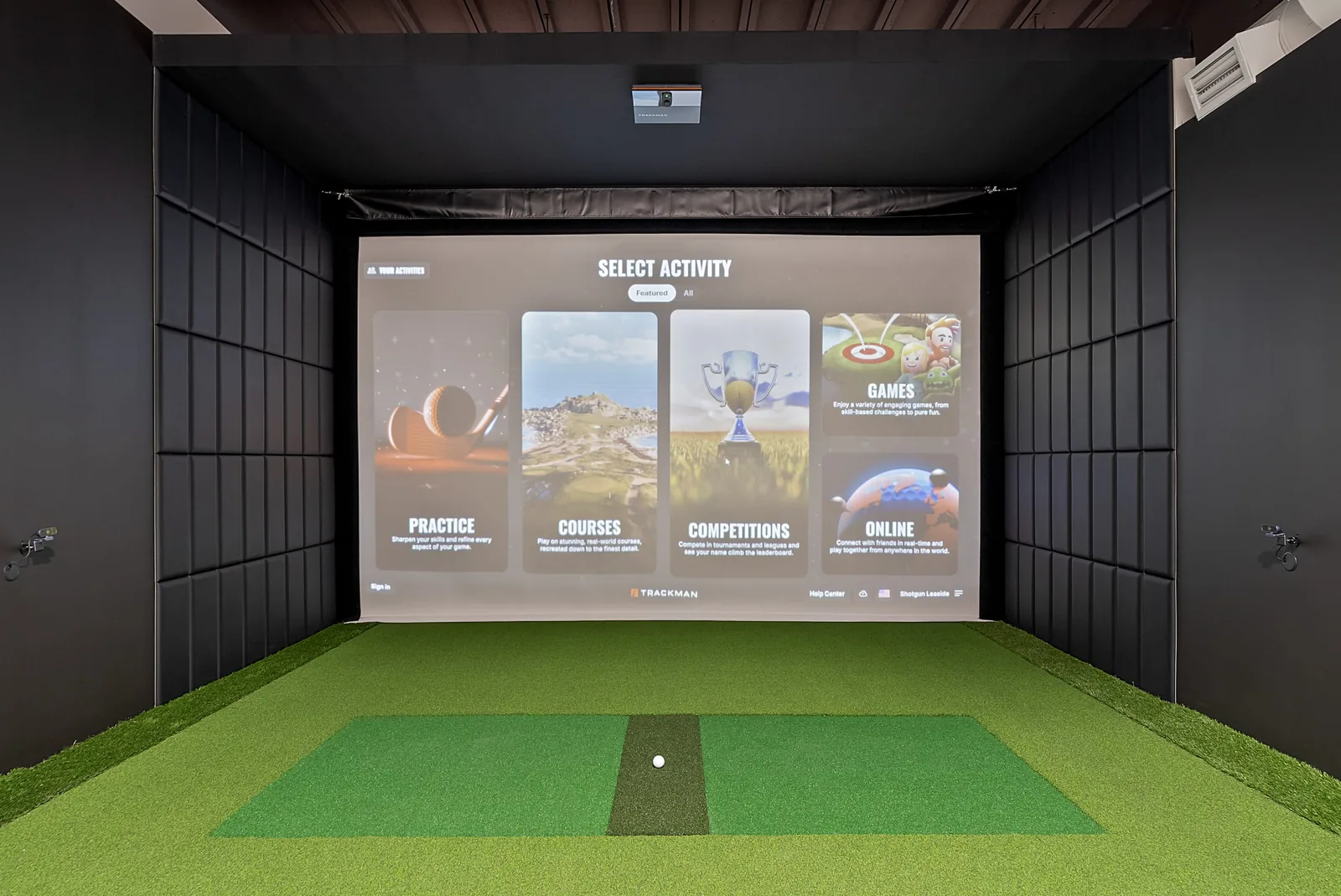
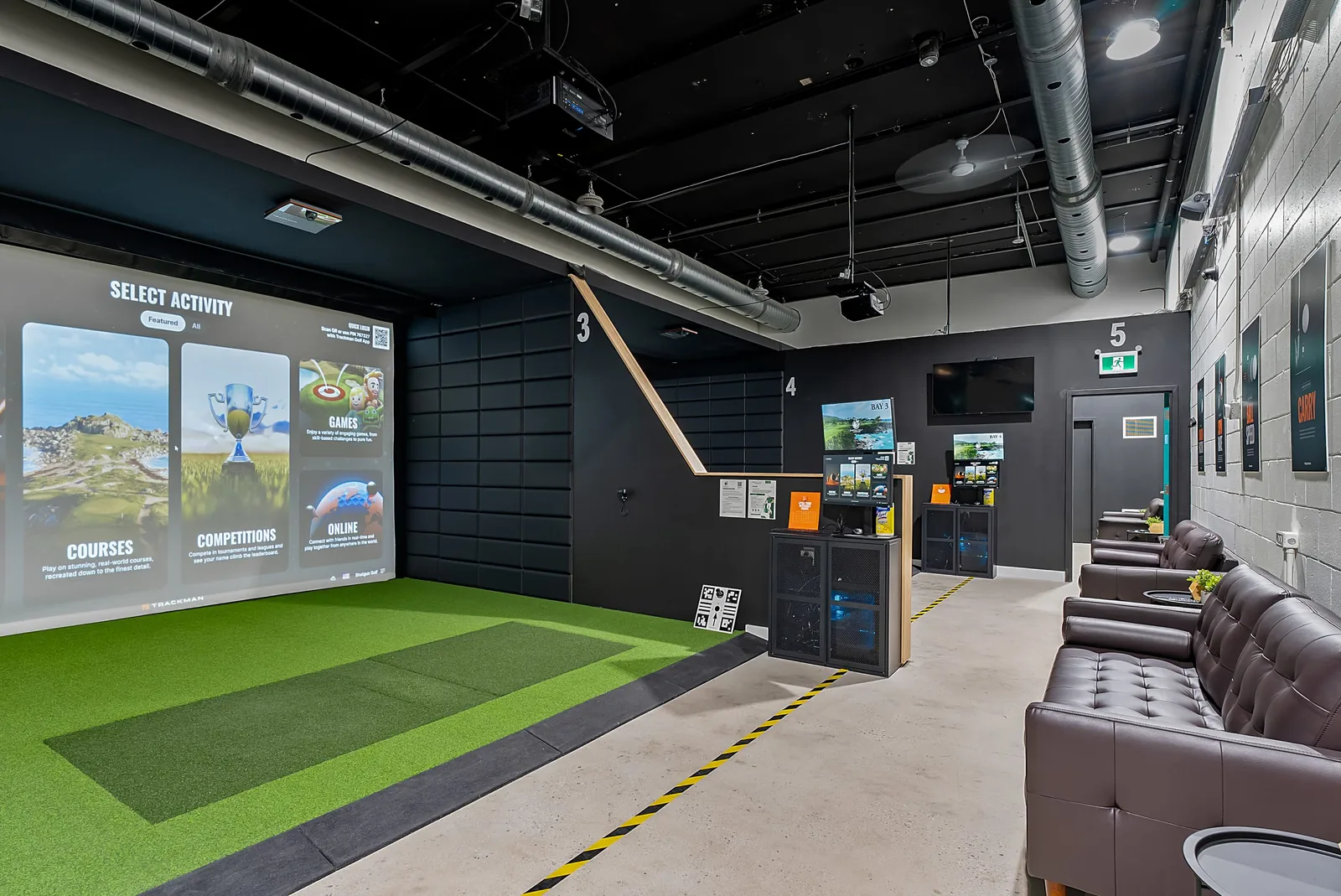
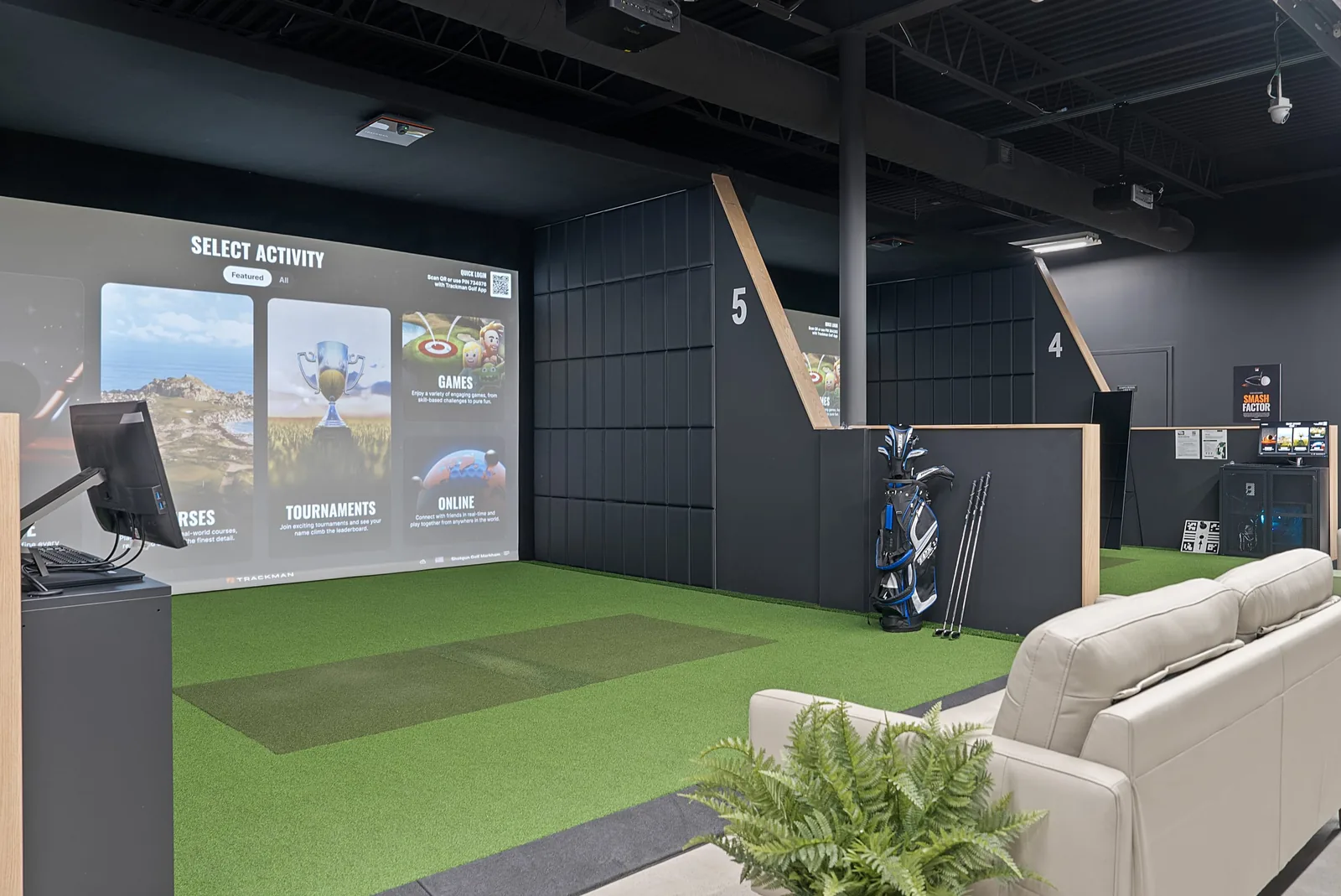
An hour in a simulator is the most concentrated practice available to a golfer. No walking, no waiting on the group ahead, no hunting for your ball, and a number after every shot telling you exactly what happened.
Which is why it is a shame that most of those hours get spent hitting driver at a screen until the time runs out.
Here is a structure that gets something out of the hour instead.
The problem with a bucket of balls
On a range, you hit until the bucket is empty. The ball count is the goal. That habit follows people indoors, where there is no bucket and the hour simply ends.
The trouble is that hitting a lot of shots without a target, without changing anything and without checking anything is not practice. It is exercise. Golfers who do it for years get stronger and no better.
Simulator practice is different for one reason: every shot is measured. That turns practice from "did that feel right" into "did that work", and the whole session should be built around it.
A structure for sixty minutes
0-10 minutes: wake up, do not warm up on driver
Start with a wedge and half swings. You are not trying to hit anything far; you are trying to hit the middle. Work up through the bag, five or six shots a club, and stop when your strike is repeatable rather than when you reach the driver.
Watch ball speed as you do this. When it stops jumping around from shot to shot, you are warm.
10-25 minutes: one thing, blocked
Pick one thing to work on. One. Then hit the same club at the same target repeatedly, changing nothing else.
This is the only part of the session where hitting a lot of similar shots is the point. You are trying to make a new movement feel less foreign, and that takes repetition.
The measurement discipline that makes this work: write down your number before you start. If you are trying to shallow the club, note your club path over five shots first. Then make the change and look at the next five. If the number has not moved, the change has not happened, no matter how different it felt.
25-45 minutes: random, with a target
Now stop repeating. Play a different shot every time, the way golf actually happens: 7-iron to a flag, then wedge, then driver, then a punch.
This feels worse than blocked practice and produces more learning. You are forcing yourself to reset for every shot instead of grooving a rhythm you will never have on the course.
Give every shot a target and a tolerance — not "hit a good 7-iron" but "finish within fifteen yards of that flag". Then count how many out of ten you manage. That number is the session's scoreboard.
45-60 minutes: play something
Finish on a course, or a closest-to-the-pin game, or a skills challenge. Something with a consequence.
This matters more than it sounds. Practice without pressure builds a swing that works in practice. Ending on shots that count — even simulated ones — is how you find out whether the change survives your own nerves.
Three habits that separate a good hour from a wasted one
Change one thing at a time. The screen updates after every shot, which makes it tempting to adjust grip, posture and takeaway at once and then have no idea which one did anything.
Take breaks between shots. Golf is not a rapid-fire sport. Hitting every twenty seconds builds a rhythm that does not exist on a course, where you get one shot every several minutes. Wait. Look at the number. Then set up again.
Keep a note. Three lines on your phone at the end — what you worked on, what the number was before and after, what to do next time — is worth more than the whole hour without it. Most people cannot remember in a week what they were working on, so they start again from scratch every session.
When to book
The bays are quietest between midnight and 7am, and that is also the cheapest rate we charge — which makes the overnight hour the best-value practice slot on the site. Nobody is waiting, nothing is loud, and you can take as long as you like between shots.
Rates are here, locations here. If you want someone to tell you what to work on rather than guessing, our coaches teach on the same bays.
Next: the drills worth doing once you have the structure, and what every number on the screen means.