"AI" is now printed on golf gloves. So it is worth separating the places where machine learning genuinely changed the game from the places where the phrase is doing marketing work.
Here is an honest map, from a business that runs launch monitors for a living.
Where it is real
Tracking the ball and the club
This is the oldest and least glamorous use, and the one you benefit from every time you hit a shot indoors.
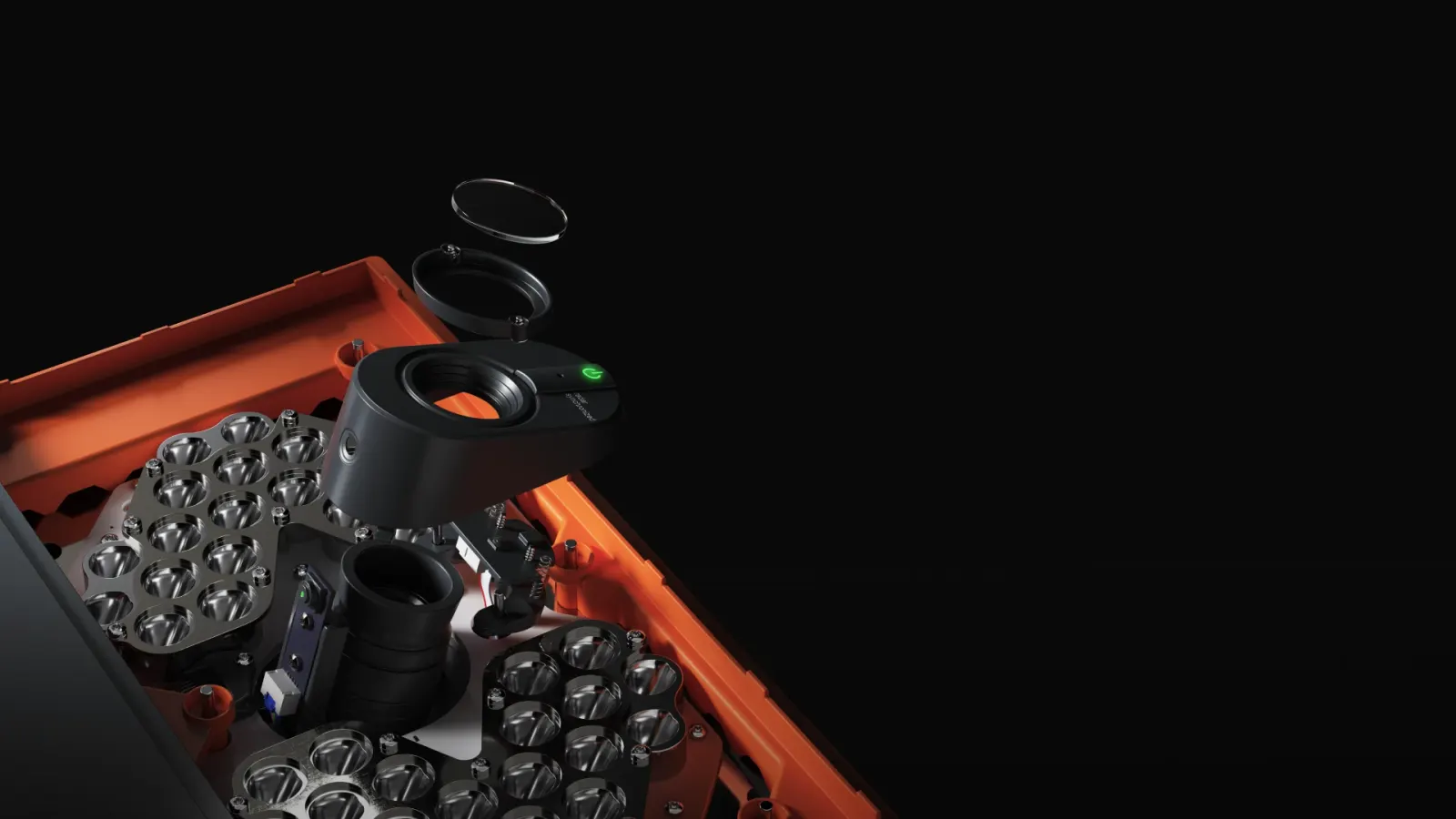
Radar returns and camera frames are noisy. Turning them into "your 7-iron carried 164 yards with 6,200 rpm of spin" means fitting models to messy signal dozens of times a second, rejecting bad data and filling gaps. Modern launch monitors combine radar with optical tracking — TrackMan calls their version Optically Enhanced Radar Tracking — and the fusion of those two data streams is a classic machine-learning problem.
You will not see the word AI on the screen. It is doing the work anyway.
Swing analysis from your own shots — and you can use it tonight
This is the one that reaches you directly in a bay, and it is the category where the "AI" label is used honestly.
TrackMan's version is called Tracy, and it sits inside Shot Analysis Mode. It reads the launch monitor's real-time data as you hit, detects the characteristics of your swing, and pinpoints the inefficiencies — then tells you which areas to work on, based on your numbers rather than on what a swing looked like to somebody. It compares sessions too, so you can see whether a change actually took.
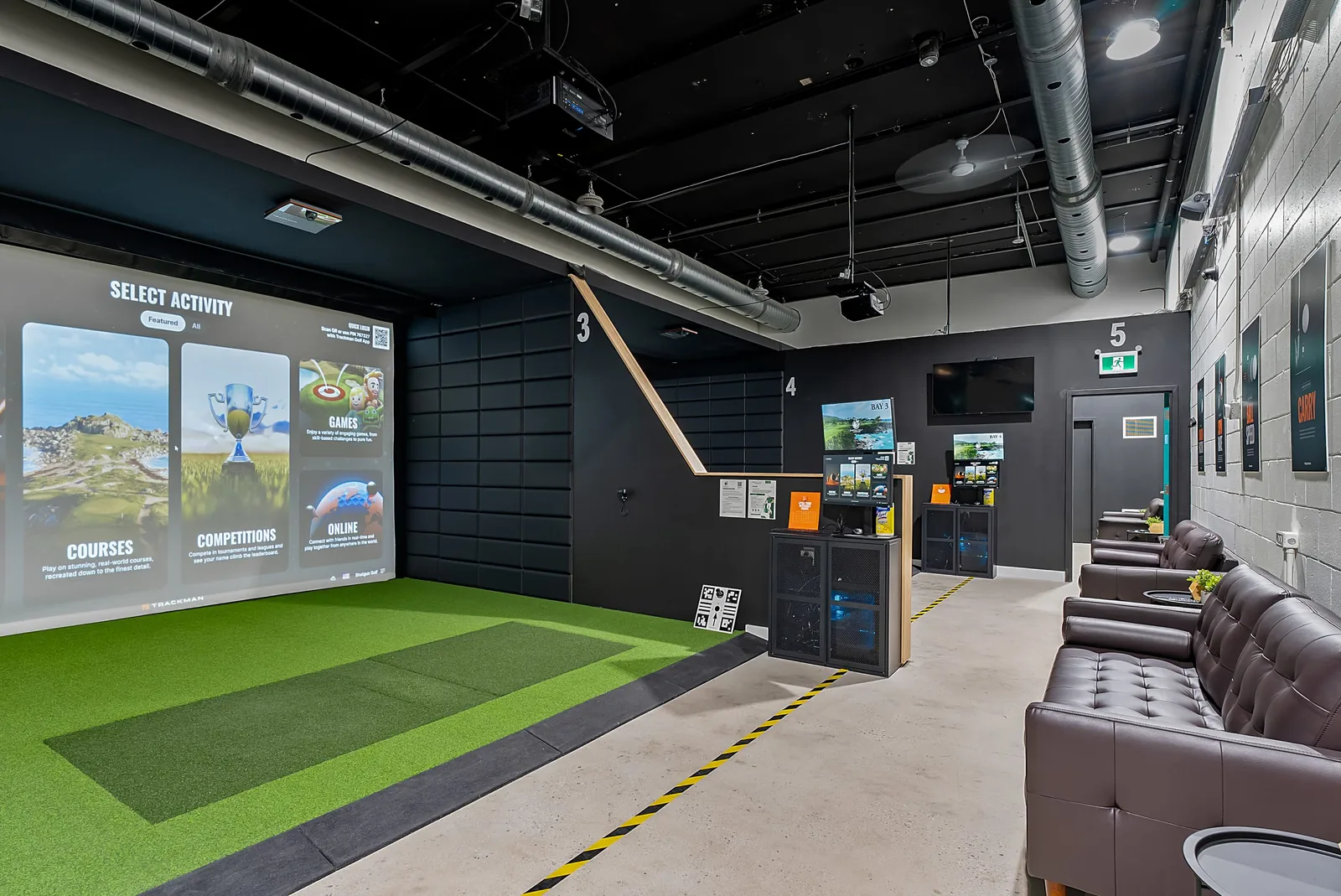
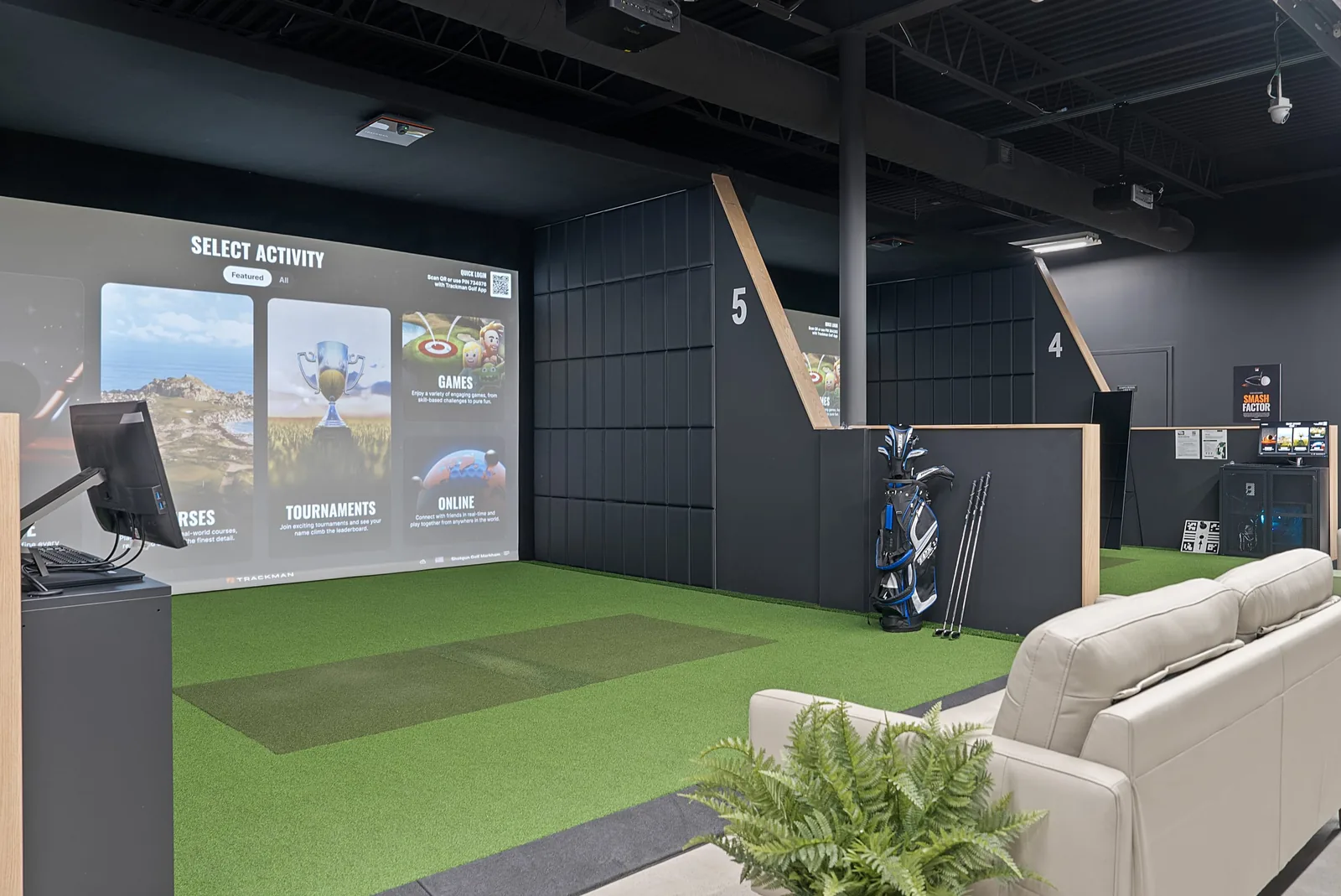
Tracy has been on TrackMan 4 for years. It arrived on TrackMan iO alongside the release of Attack Angle on that unit, which is what made the indoor-optimised hardware capable of the same club analysis. Every Shotgun Golf bay runs iO, so Tracy is in the room with you at every location, at any hour.
To use it: log into your TrackMan account on the bay screen, go to Shot Analysis Mode, pick a club and hit a series of shots. The insights come from the shots you just hit.
TrackMan are straightforward about the limits, and so are we — their own wording is that Tracy "doesn't replace coaching but rather enhances coaching". It reads what your club and ball did. It does not see your grip, your posture, your physical limitations or the reason you make the move you make. Treat it as a very well-informed second opinion on the data. Our CPGA coaches teach on the same bays when you want someone who can see the rest.
What every number in Shot Analysis Mode means is the companion to this.
Strokes gained, and knowing where your shots go
Shot-tracking systems — the sensors in your grips, or a GPS watch — record every shot you hit over a season and compare you to a baseline of players at your level. That comparison is what strokes gained is.
This is the single most useful analytical idea to reach amateur golf. It replaces "I need to work on my driving" with "you lose 2.1 shots a round inside 100 yards and 0.3 off the tee". Most golfers are wrong about where their strokes go, and the data is unsentimental about it.
Caddie advice
Some tracking systems now recommend a club and a target line based on your own dispersion rather than your best-ever shot. Aim at the middle of where you actually hit it, not at the flag.
This is unglamorous and genuinely lowers scores, because the biggest avoidable errors in amateur golf are aiming decisions, not swing failures.
Club and ball design
Manufacturers have used machine learning in club face design for several years — generating and evaluating enormous numbers of face geometries in simulation to find shapes a human designer would not have drawn. Callaway's A.I.-designed faces were the first mainstream example and the approach is now widespread.
The physics is still physics. What changed is how much of the design space gets searched.
Video swing analysis
Pose estimation from a phone camera is a solved computer-vision problem, and it is now good enough to measure hip rotation, shoulder turn and head movement from a single video without markers. Useful for tracking whether a change is happening. Less useful for deciding what change to make.
The boring back office
Dynamic tee-sheet pricing, no-show prediction, turf and irrigation management from drone imagery, broadcast ball-tracking. None of it reaches the player, all of it is real.
Where it is mostly marketing
"AI-powered" clubs that are not. A face designed with machine learning is real. A wedge with "AI" on the sticker and no explanation of what was modelled usually is not.
Apps that grade your swing out of 100. A number with no stated basis tells you nothing. Ask what it is comparing you to.
Chatbots that give generic tips. Note the difference from the coaching feedback above: that works because it is reading your measured numbers. A model that has only read every golf article ever written will confidently tell you to "keep your head down" — advice that is wrong often enough to be dangerous. The test is whether it has your data, not whether it sounds confident.
Anything promising to fix your swing without measuring it. If it is not looking at what your club and ball did, it cannot know what is wrong.
The honest test
Before you believe an AI claim about golf, ask three questions:
- What did it measure? No input, no insight.
- Compared to what? A number is meaningless without a baseline — other golfers at your handicap, or your own history.
- What would it have said if I were different? If the advice is the same for everyone, it is not analysis.
Most of the genuinely useful applications pass all three quietly, without using the word AI at all.
Where this leaves a golfer
The technology that will change your golf this winter is the least futuristic one available: a machine that measures every shot you hit and tells you the truth about it. Everything above is built on that foundation, and most of the benefit is available the moment you start writing down what the screen says.
What the numbers mean · How to structure a practice hour · Book a TrackMan bay