Every year brings new drivers promising more ball speed and more forgiveness, new irons promising both distance and control, and a ball that supposedly does everything. Every year most of those claims are true — for someone. The question that matters is whether they are true for you.
We are not going to rank this year's releases. We have not independently tested them, nobody who has read a press release should be ranking them, and a list like that is out of date by spring anyway. What we can tell you is how to find out for yourself, because the equipment that suits you is a measurable fact rather than a matter of opinion.
Why launch monitor numbers beat reviews
A review tells you what a club did for a tester with a 105 mph swing and a neutral path. If your swing is 88 mph and comes from the inside, that says almost nothing about what it will do for you.
Three numbers settle the question in about twenty shots:
- Ball speed — is the club actually producing more speed from your strike, or only from a faster swing you made because it was new?
- Spin rate — usually the real difference between two drivers. Too much and the ball climbs and stalls, too little and it falls out of the air.
- Dispersion — how tightly your shots group. Forgiveness is not a feeling, it is a smaller circle.
Distance is downstream of those three. Chase the inputs, not the output.
A testing session that gives you an answer
Bring your current club. This is the part people skip and it invalidates everything. Without a baseline you are comparing a new club to your memory, and your memory is flattering.
Warm up properly first. Ten minutes with wedges. Testing a driver cold produces data about being cold.
Alternate, do not batch. Five with yours, five with the new one, five with yours again. Fatigue and warm-up drift will otherwise show up as a difference between clubs.
Hit at least fifteen with each. Ten is not enough to see a pattern through your own inconsistency. And when you compare, use the average, not your best strike with each — everyone remembers their best shot with the new club and their worst with the old one.
Throw out the obvious mishits, but only the obvious ones. Binning everything that felt bad is how you convince yourself to spend money.
What counts as a real difference
Be sceptical of small gaps. Shot-to-shot variation for most amateurs is larger than the difference between two current-generation drivers.
As a rough guide: a 2 mph ball speed gain across fifteen shots is meaningful. A 300 rpm spin change is meaningful if it moves you toward the right window. A visibly tighter dispersion is the most meaningful of all, and the one most likely to actually lower scores.
A three-yard average carry gain is noise. So is any gain that comes with a wider spread.
Where the strokes really are
Worth saying plainly, because it will save some people a lot of money: for most golfers, a properly fitted set of what they already own outperforms a new set bought off the shelf.
Lie angle, shaft, and gapping between clubs cost far fewer strokes than they should because nobody checks them. Ten minutes on a launch monitor will show you if two of your clubs go the same distance — which a surprising number of amateur sets do — and that gap in your bag is worth more than any new model.
The other unglamorous truth: the ball matters more than most people think, and it is the cheapest thing to test. Fifteen shots with two different balls will show you a spin difference that changes how your wedges behave.
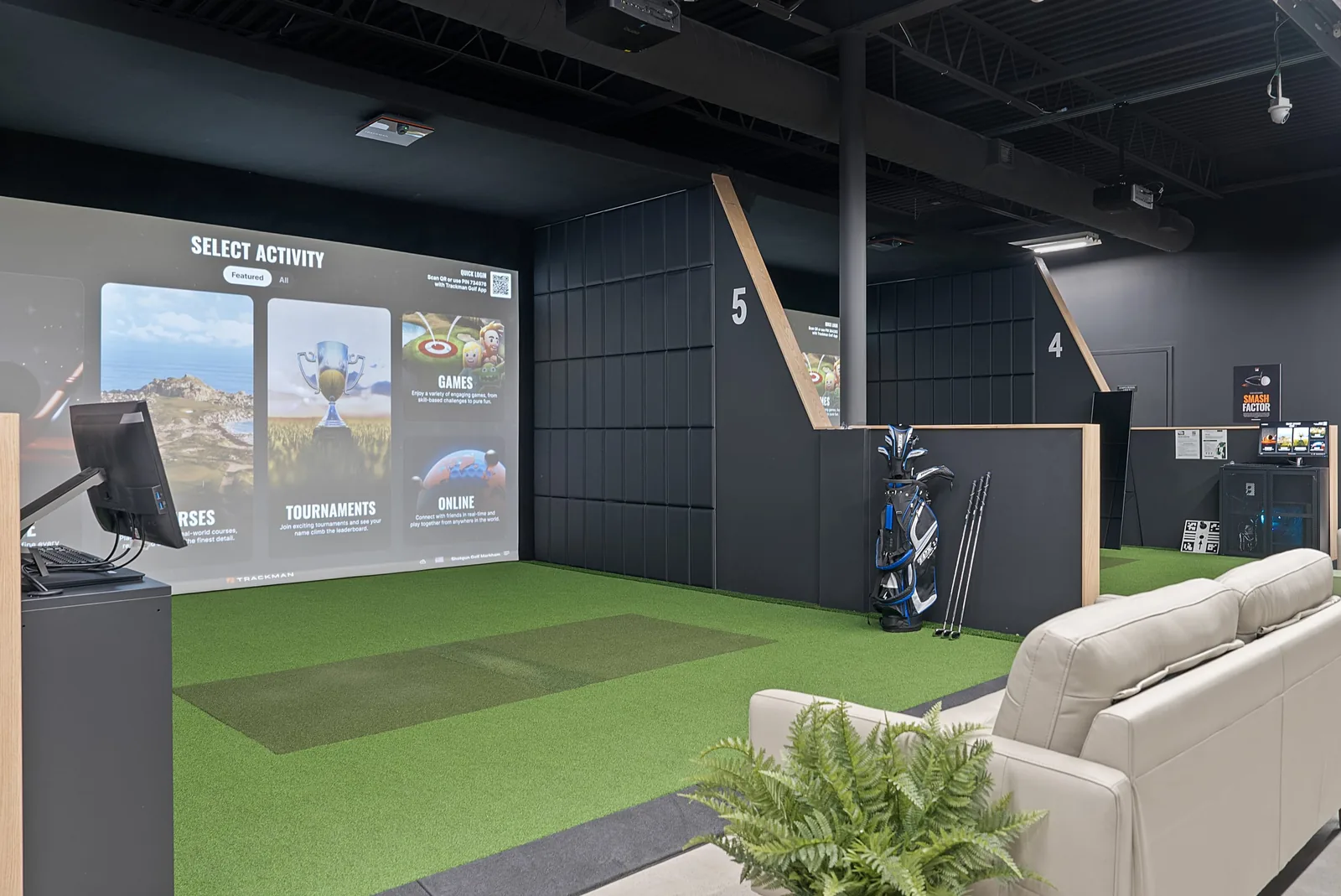
Doing this at Shotgun Golf
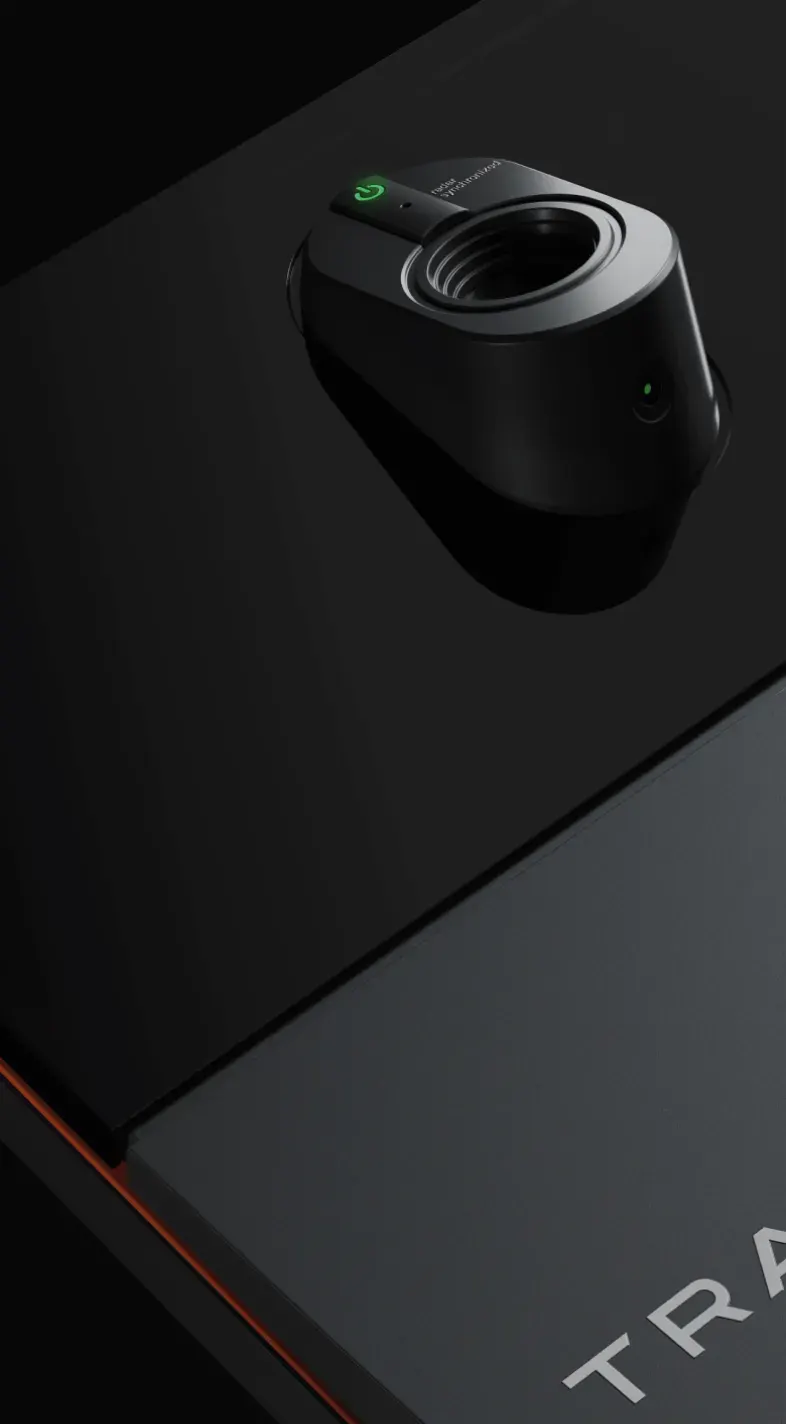
Our bays run TrackMan iO, which measures club and ball together, so you get the club data — path, face, attack angle — rather than just the ball flight. Book an hour, bring your current clubs and whatever you are considering, and work through the routine above.
A couple of practical points: we are unstaffed, so this is a self-directed test rather than a fitting — we are not a retailer and we will not sell you anything. If you want someone reading the numbers with you, our CPGA coaches teach on the same bays and a fitting-style session with a professional is a far better use of money than a guess at a new driver.
Rates · Locations · What every number on the screen means